
Polar
Open-source merchant of record for developers selling software
Gallery
About Polar
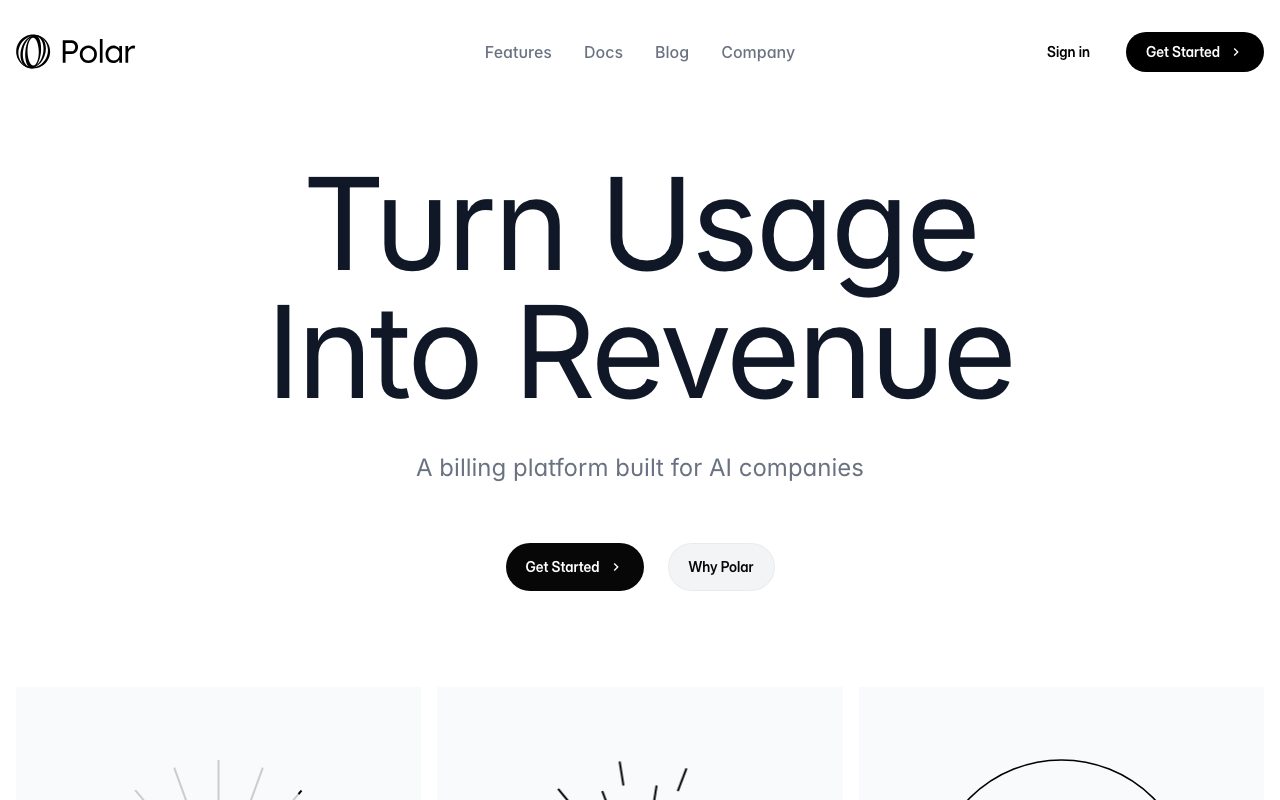
Polar is an open source monetization platform for developers. It handles digital products, subscriptions, license keys, donations, and customer billing for software builders. Polar is also a merchant of record, so it manages sales tax and VAT globally on your behalf.
The pitch is a developer-friendly Stripe layer that handles the boring legal parts. You wire up checkout in minutes, ship products to customers worldwide, and Polar handles the tax math behind the scenes.
What Polar actually does
Polar provides hosted checkout, customer portals, and a clean dashboard for digital products and subscriptions. You define a product with pricing tiers, generate a checkout link or embed, and customers buy without leaving your domain in any meaningful way.
The merchant of record model means Polar is the legal seller. They register where required, collect VAT, and remit to authorities. You receive payouts in your bank account net of fees and tax.
Who Polar is built for
Polar is built for developers, indie SaaS founders, and open source maintainers who want to monetize without a heavy compliance burden. The audience overlaps heavily with GitHub Sponsors and similar developer monetization tools.
It's not really for huge enterprises. Big teams usually have legal and tax people and run on direct Stripe.
Polar pricing
Polar charges a transaction fee plus payment processor fees. The all-in is competitive with other merchant of record platforms. There's no monthly minimum, which keeps it friendly for early stage products.
Compared to Polar alternatives, the math usually pencils out for indie scale revenue.
Features that define Polar
License key management is built in for software products. Issue keys with each purchase, validate them through the API, and revoke them when needed. The flow integrates cleanly into desktop and SaaS apps.
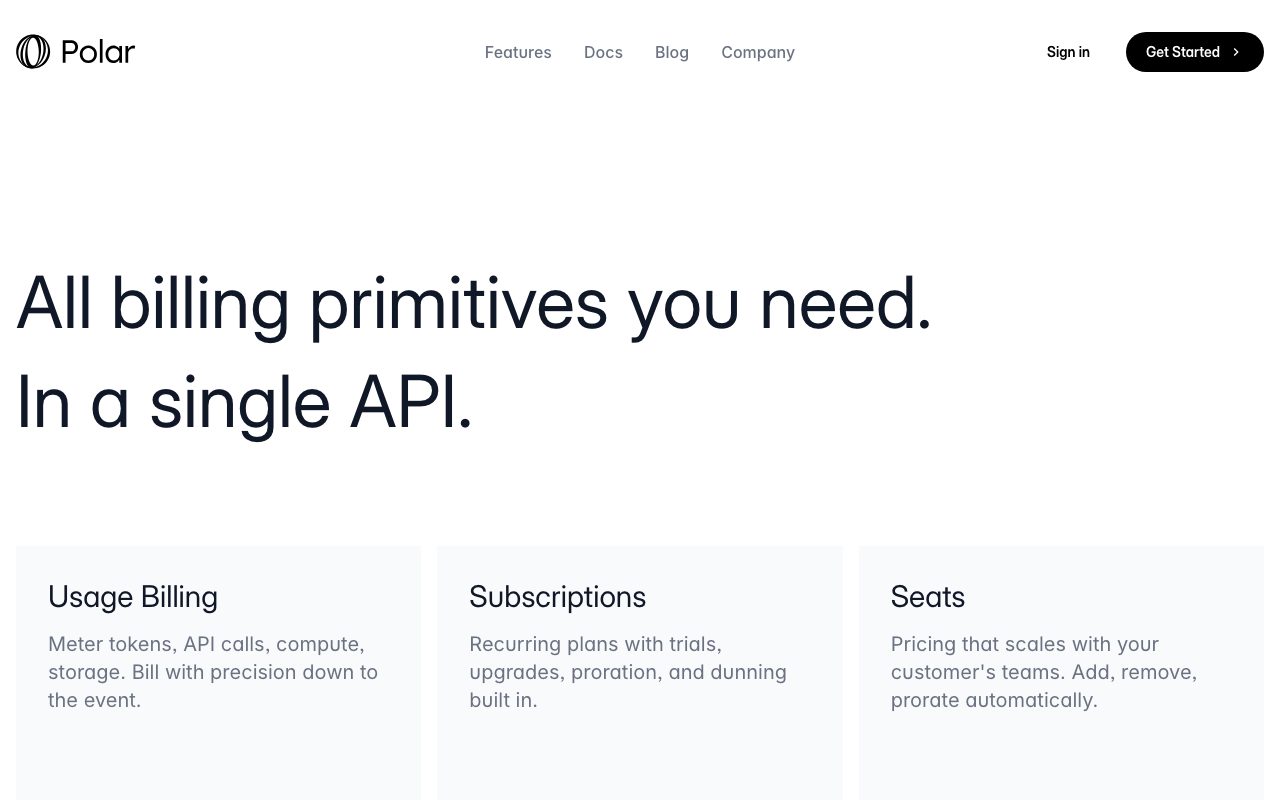
Subscriptions support trial periods, prorated upgrades, downgrades, and dunning. Webhooks notify your backend of events so you can grant or revoke access immediately. The API and SDKs are clean and developer-friendly.
The platform is open source, with the core repository on GitHub. That means you can read the code, propose changes, and trust the platform's behavior end to end.
Polar is the indie developer's merchant of record. If you write software and don't want to think about VAT, it's a strong default.
Tradeoffs and rough edges
Polar is newer than incumbents, and some advanced features still ship behind the leaders. Branding control on checkout is improving but not fully white-label yet. Enterprise procurement teams sometimes prefer larger names.
Documentation has caught up significantly but still lags Stripe's volume. For non-developer users, the developer angle of the product can feel intimidating.
Polar vs alternatives
The closest competitors are Lemon Squeezy, Paddle, and Gumroad. Lemon Squeezy and Paddle are direct merchant of record peers. Gumroad is creator-leaning and lighter on developer features.
Polar's edge is the open source roots and the developer-first design. See Polar vs Lemon Squeezy and the best payment platforms.
Common questions about Polar
Is Polar really open source? Yes, the platform code is on GitHub under a permissive license.
Can I use Polar for SaaS subscriptions? Yes, subscriptions are a first-class product type.
Does Polar handle global VAT? Yes, that's the whole point of the merchant of record model.
Bottom line on Polar
Polar is a clean, developer-first way to monetize software products globally. It's a great pick for indie developers and open source maintainers. Browse tools for developers for adjacent options.
If you're shipping a paid SaaS or a digital product and want VAT handled, Polar is a strong starting point.
Polar for open source maintainers
Maintainers use Polar to monetize sponsorships, sell premium support, and license private packages. The integration with GitHub makes the developer-to-Polar bridge feel natural. Sponsors and customers interact with the maintainer through a familiar surface.
The platform also supports issue funding. Sponsors can fund specific issues to incentivize fixes. That's a useful primitive for open source economics that many other platforms don't offer.
Setting up Polar quickly
Sign up, connect Stripe, define a product, and copy the checkout link. The flow takes a few minutes for a basic product. SaaS subscriptions need webhook wiring on your backend to grant access.
The dashboard is clean and developer-friendly. Most builders ship a real paid product within a day of starting. The hardest part is usually deciding what to charge for, not the technical setup.
Tutorial / Demo
Key Features
- Merchant of record with global tax handling
- Subscriptions, one-time, and usage-based billing
- License keys and gated downloads
- Customer portal and webhooks
- Open-source codebase
- Built-in support for GitHub sponsors-style benefits
Pros & Cons
What we like
- Developer ergonomics rival Stripe for the basics
- Open source and self-hostable in principle
- Lower friction than enterprise billing tools
Room for improvement
- Younger product, fewer integrations than Stripe or Paddle
- Smaller community than Lemon Squeezy
- Some advanced billing edge cases still maturing
Frequently Asked Questions
What does merchant of record mean for Polar?
Polar vs Lemon Squeezy, what's the difference?
What does Polar charge?
Can I self-host Polar?
Does Polar support GitHub sponsorships and license keys?
Best For
Featured in
Alternatives to Polar
View all

Our take
Tool Index Editorial · May 2026· 4.5/5
Polar positions itself as open-source merchant of record for developers selling software, and on the whole it earns the framing.
What it actually does well: Developer ergonomics rival Stripe for the basics, Open source and self-hostable in principle, and Lower friction than enterprise billing tools. Where it stumbles: Younger product, fewer integrations than Stripe or Paddle and Smaller community than Lemon Squeezy.
In short: Polar is a solid pick when you need open-source maintainers monetizing pro tiers, and a harder sell if younger product, fewer integrations than Stripe or Paddle would be a dealbreaker.
Editorial opinion from the Tool Index team, written from the public product pages. Not a user review.
Reviews (3)
Useful but pricey
Skeptical at first because Polar looked too simple. It's not. Honestly impressed by how lower friction than enterprise billing tools. Worth calling out the subscriptions, one-time, and usage-based billing too. Honest gripe: some advanced billing edge cases still maturing.
Pros
- Lower friction than enterprise billing tools
- Developer ergonomics rival Stripe for the basics
- Open source and self-hostable in principle
Cons
- Some advanced billing edge cases still maturing
- Smaller community than Lemon Squeezy
Genuinely impressed
Hadn't planned on switching, but Polar was hard to ignore. The thing I keep coming back to: developer ergonomics rival Stripe for the basics. Worth calling out the open-source codebase too. Main use case: open-source maintainers monetizing pro tiers. One thing that bugs me: smaller community than Lemon Squeezy.
Pros
- Lower friction than enterprise billing tools
- Open source and self-hostable in principle
Solid product, even better support
Polar isn't perfect but it's the best I've used in this category. Genuine strength: developer ergonomics rival Stripe for the basics. It would be a 5 if not for some advanced billing edge cases still maturing. Glad I made the switch.
Pros
- Lower friction than enterprise billing tools
- Open source and self-hostable in principle
- Developer ergonomics rival Stripe for the basics
Badge builder
Add Polar to your website
Choose a badge style and size, preview it here, then copy the generated HTML. Badge images are self-contained SVGs and do not require an external script.

<a href="https://toolindex.net/tools/polar-sh?ref=badge" target="_blank" rel="noopener">
  <img src="https://toolindex.net/badge/polar-sh/medium.svg" alt="Polar - Listed on Tool Index" width="180" height="50" />
</a>How to use the badge
- 1. Pick the style, size, and theme that fit your layout.
- 2. Copy the generated HTML from the code block.
- 3. Paste it into your footer, homepage, or press page.
Standard badge available
The standard listing badge is available now. Score and circle badges are limited to tools currently ranked in the top 10 of a category.
Badge clicks return visitors to this profile with a referral tag so the source remains identifiable.
Related Tools

Simple RMD
Calculate, aggregate, and manage your annual IRA required minimum distributions.
FreshBooks
Cloud accounting designed for service-based small businesses and freelancers
Deel
Global payroll, contractor, and EOR platform
Chargebee
Subscription billing and revenue management for B2B SaaS
Work on Polar? Request listing access or correction