Best Open Source AI Tools in 2026
Open-source software can provide code access, forking rights, and self-hosting options, but licences and maintenance health vary. This draft groups AI Tools whose catalog records carry an open-source pricing label. It does not yet retain licence, repository-activity, community, or production-use evidence for every candidate. Confirm those details at the project source before adoption.

Nully
A fast, private, self-hostable AI chat client for OpenRouter

Free AI Prompt Generator
Open source prompt engineering tool that runs entirely in your browser with no signup required

Maple Preview
Ternary 20B reasoning model that runs at 200+ tokens per second on consumer hardware

rootmode
Use and serve AI models through an open peer-to-peer network

Dragomand
Give Linux desktop apps one shared service for fully offline machine translation
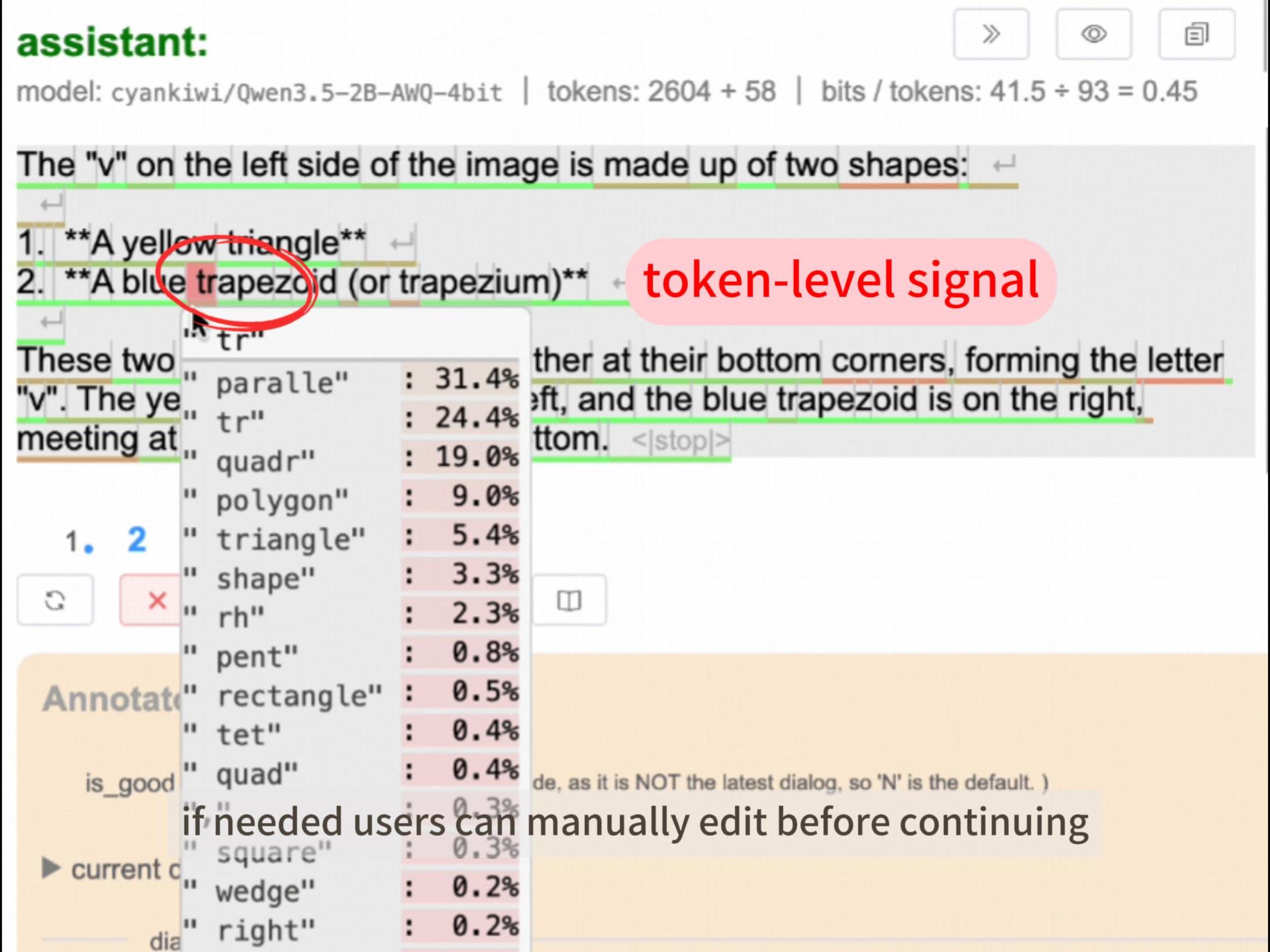
onPanda
Inspect, branch, and correct LLM output one token at a time

Octoweb
A free, open-source keyboard-first macOS browser with an AI sidebar and an MCP server for agents

Lab
Use multiple LLM providers from a local-first, serverless browser workspace

AirmailAI
Private browser chat for multiple AI providers using your own API keys

agentacct
See what your coding agents did and what it cost. Breaks each task down into work steps — tools used, files changed, tests run, time and tokens spent.
What to Look For
OSI-approved licence
Check the exact licence rather than relying on an open-source label. MIT, Apache, GPL, AGPL, MPL, Business Source, Elastic, and Server Side Public licences grant different commercial and redistribution rights.
Active maintenance
Inspect recent commits, issue response times, release cadence, and security advisories. Repository activity and maintenance evidence have not yet been retained for every candidate on this draft page.
Self-hosting is realistic
Check whether self-hosting has maintained images, documented deployment steps, backup guidance, and resource requirements that fit your infrastructure.
Healthy community
Review maintainer count, contribution activity, support channels, sponsorship, and governance. These signals reduce concentration risk but cannot guarantee future maintenance.