Best Open Source Developer Tools in 2026
Open-source software can provide code access, forking rights, and self-hosting options, but licences and maintenance health vary. This draft groups Developer Tools whose catalog records carry an open-source pricing label. It does not yet retain licence, repository-activity, community, or production-use evidence for every candidate. Confirm those details at the project source before adoption.

Tailwind CSS
Rapidly build custom designs without leaving your HTML

Coolify
Self-hostable, open source alternative to Heroku and Netlify

Playwright
Microsofts open-source end-to-end browser testing framework for Chromium, Firefox, and WebKit with one API.

Supabase
The open source Firebase alternative

Storybook
Open-source workshop for building UI components in isolation. Preview, document, and test them outside the app.

Lucide
Open-source icon library, a community-led fork of Feather, with 1,500+ consistent icons and bindings for every major framework.

GeoLens
Open-source, self-hosted catalog and map builder for geospatial data
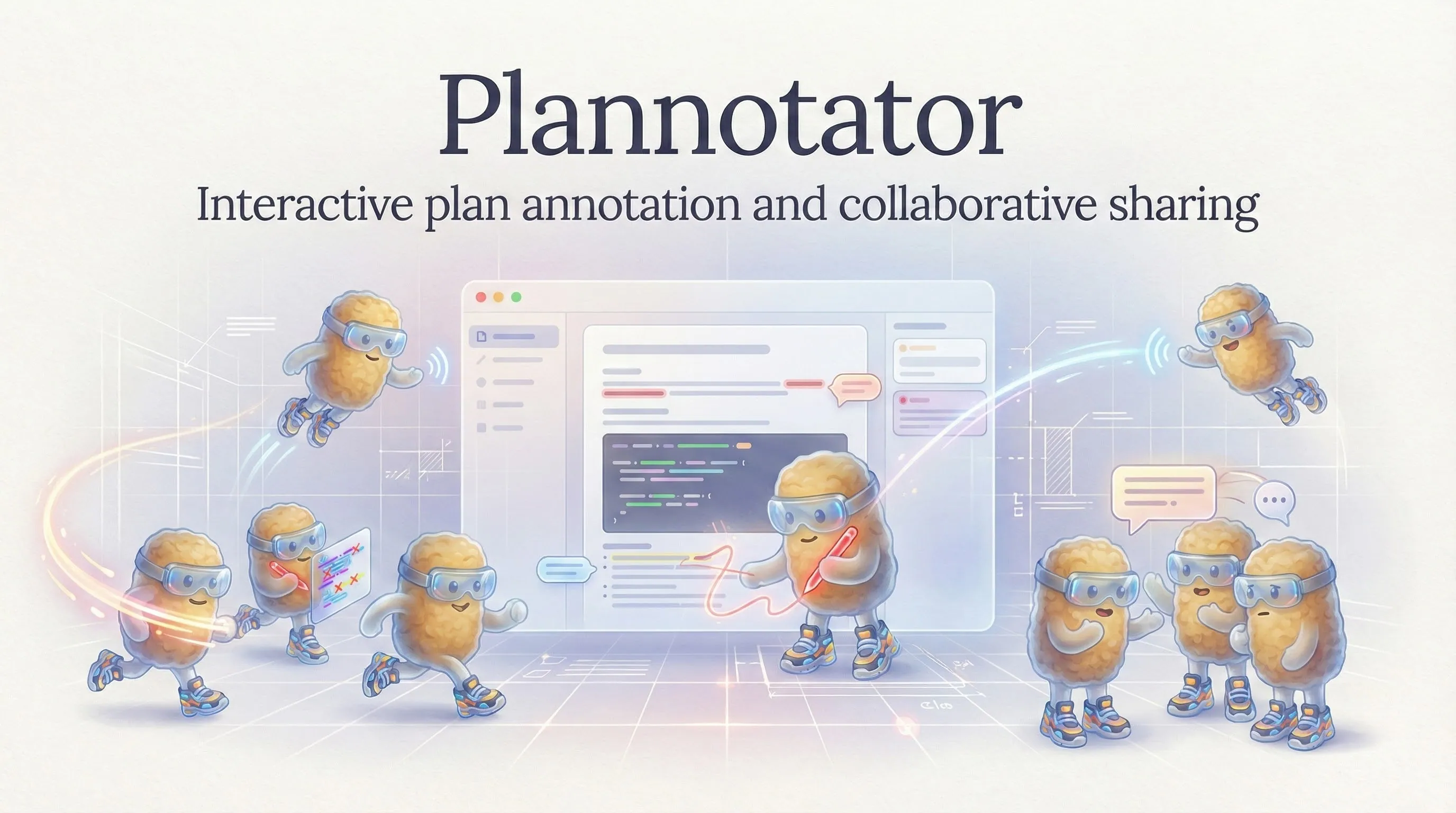
Plannotator
Review and annotate your AI coding agent's plans and diffs before they ship
Heroicons
Free, MIT-licensed SVG icon set crafted by the Tailwind Labs team, with outline, solid, mini, and micro variants.
Drizzle ORM
Lightweight TypeScript ORM that feels like writing SQL

BlockSlides
Embeddable ProseMirror-powered WYSIWYG slide editor for React and Vue apps

WebMotion
Browser-native library for deterministic video composition and export
What to Look For
OSI-approved licence
Check the exact licence rather than relying on an open-source label. MIT, Apache, GPL, AGPL, MPL, Business Source, Elastic, and Server Side Public licences grant different commercial and redistribution rights.
Active maintenance
Inspect recent commits, issue response times, release cadence, and security advisories. Repository activity and maintenance evidence have not yet been retained for every candidate on this draft page.
Self-hosting is realistic
Check whether self-hosting has maintained images, documented deployment steps, backup guidance, and resource requirements that fit your infrastructure.
Healthy community
Review maintainer count, contribution activity, support channels, sponsorship, and governance. These signals reduce concentration risk but cannot guarantee future maintenance.